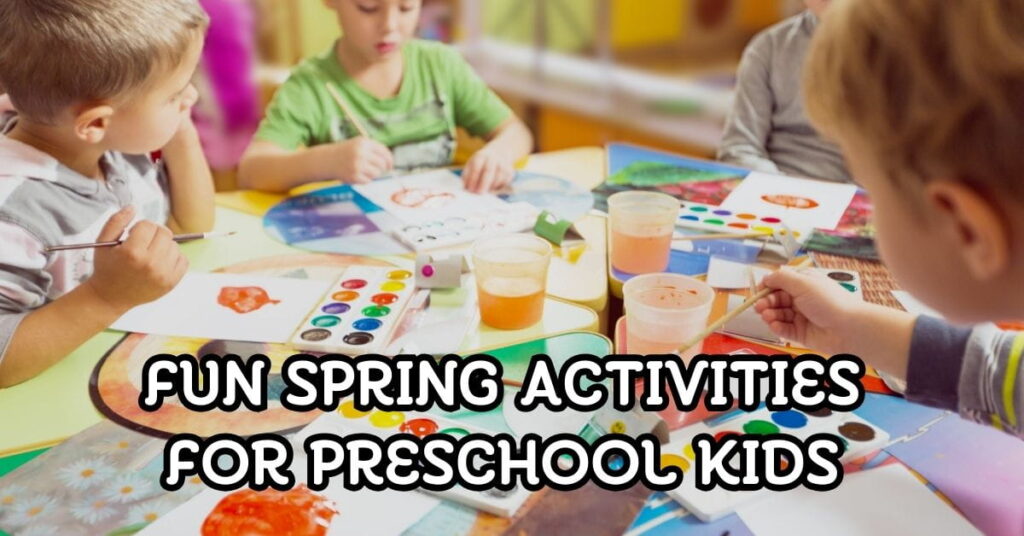
Looking for joyful ways to keep preschool kids busy, curious, and learning this spring? Spring brings fresh colors, warmer days, and endless chances for hands-on play that support early learning.
From art and crafts to science, math, literacy, and outdoor fun, spring activities help preschoolers explore nature while building key skills. These ideas focus on simple materials, easy prep, and playful learning that fit both classrooms and homes.
Children can paint, count, observe, sort, build, and imagine while enjoying the season. Whether it is a sunny afternoon or a rainy indoor day, these spring activities for preschool kids encourage creativity, curiosity, and confidence.
Get ready to fill your days with color, movement, discovery, and meaningful moments of learning through play together.
Table of Contents
Toggle1. Glass Gem Suncatchers
This bright spring craft lets preschool kids create colorful window art while strengthening fine motor skills. Children place glass gems onto clear contact paper to form patterns, shapes, or even their name’s first letter. A
s sunlight shines through, the gems create beautiful color effects that spark excitement and curiosity. This activity also supports color recognition, design skills, and hand control.
Simple to set up and calming to complete, glass gem suncatchers make lovely classroom displays or gifts while adding cheerful spring vibes to any learning space.
2. Hot Air Balloon Process Art
Hot air balloon process art gives preschool kids full freedom to explore colors and textures. Instead of focusing on a finished product, children paint, stamp, or sponge onto balloon-shaped paper using their imagination.
This activity supports creativity, confidence, and sensory exploration. Kids experiment with color mixing while developing hand strength and coordination. Every balloon looks different, which helps children value their own ideas.
It is easy to adapt, low-pressure, and perfect for spring themes like travel, weather, or sky studies in preschool settings.
3. Torn Paper Flowers
Torn paper flowers are a playful spring art activity that boosts fine motor development. Preschool kids tear colorful paper into small pieces and glue them onto flower outlines or create free-form floral designs.
Tearing paper strengthens finger muscles needed for writing and cutting. This activity also supports creativity, color awareness, and focus. Children enjoy the freedom of tearing rather than cutting, which feels exciting and accessible.
Torn paper flowers fit beautifully into spring lessons about plants, gardens, and seasonal changes while keeping preparation simple.
4. Rain Cloud Suncatcher Craft
This rain cloud suncatcher craft introduces preschool kids to weather concepts through art. Using translucent materials like milk cartons or clear paper, children create cloud shapes and add hanging raindrops. As light passes through, the suncatcher creates a soft visual effect that kids love.
This activity supports fine motor skills, creativity, and early science discussions about clouds and rain. It works well during spring weather units and helps children connect everyday experiences with learning in a fun, hands-on way.
5. Pine Cone Bird Feeder
This classic spring activity helps preschool kids connect with nature while practicing simple construction skills. Children spread peanut butter onto pine cones, roll them in birdseed, and hang them outdoors using a string. The process strengthens hand muscles and coordination.
Kids also enjoy observing birds as they visit the feeder, which builds patience and curiosity. This activity opens gentle discussions about animals, food, and caring for nature. It works well after a short nature walk where children collect pine cones themselves.
6. Spring Discovery Bottle
A spring discovery bottle offers calm sensory exploration for preschool kids. Fill a clear bottle with water, small flowers, leaves, or grass collected from outdoors. As children shake and tilt the bottle, they observe movement, color, and texture.
This activity supports focus, visual tracking, and early science skills. Kids love identifying items inside the bottle and talking about where they came from. It is simple to prepare, reusable, and perfect for quiet play or spring-themed sensory stations.
7. Seed Germination Observation
Seed germination activities teach preschool kids how plants grow through real-life observation. Children place seeds in soil or damp paper towels and check them daily. Watching roots and shoots appear builds excitement and patience.
This activity supports early science skills, responsibility, and vocabulary development. Kids learn that plants need water, light, and time. Drawing or talking about changes each day helps strengthen language skills. It is a meaningful spring activity that connects children directly to nature and growth.
8. Ladybug Counting Busy Bag
Ladybug counting busy bags make spring math fun and hands-on for preschool kids. Children count spots, match numbers, or trace digits on ladybug cards. Adding tactile elements like raised glue helps with number formation and sensory input.
This activity supports counting, number recognition, and one-to-one correspondence. The playful ladybug theme keeps kids engaged while learning basic math skills. It works well as a table activity, learning center, or quiet individual task during spring lessons.
9. Paper Clip Flower Counting
Paper clip flower counting turns math practice into a playful spring activity. Preschool kids clip paper clips onto flower cards to match numbers or quantities. This strengthens finger muscles while reinforcing counting and early math concepts.
Children can use different colors for petals and leaves, which also supports color recognition. The activity is easy to adjust for different skill levels, from basic counting to simple addition. It is ideal for hands-on learners who enjoy movement while learning.
10. Preschool Spring Pattern Cards
Preschool spring pattern cards help young learners notice order, sequence, and repetition through bright seasonal images. Children copy and extend patterns using flowers, butterflies, and colors shown on cards.
This activity builds early math thinking, visual skills, and concentration. Laminated cards last longer and work well in small groups or independent centers. Kids enjoy predicting what comes next, which builds confidence.
Pattern play also supports problem-solving and prepares children for later math concepts through fun spring-themed practice. Teachers can adjust the difficulty easily for different ability levels.
11. Earth Day Slime
Earth Day slime gives preschool kids a sensory activity with a simple science connection. Children mix ingredients to create stretchy slime while talking about land and water.
This hands-on task supports fine motor skills, listening, and following steps. Kids enjoy squeezing, pulling, and observing texture changes. Adults can guide short discussions about caring for the planet during play.
Earth Day slime works well during spring science units and keeps children focused, curious, and excited while learning through touch and movement together safely.
12. Flower Science Exploration
Flower science exploration invites preschool kids to investigate real blooms using simple tools. Children observe petals, stems, and leaves while learning basic plant parts.
Activities like frozen flowers, water bins, or sorting pieces build curiosity and early science thinking. This activity supports vocabulary, observation skills, and gentle experimentation.
Kids enjoy touching, smelling, and comparing flowers. Flower science fits naturally into spring themes and works well in small groups. It helps children ask questions and describe what they see with growing confidence.
13. Spring Fine Motor Tray
A spring fine motor tray supports hand strength and coordination using simple materials. Preschool kids place small flowers into the holes of a colander or tray using fingers or tongs. This activity builds control needed for writing and daily tasks.
Children stay focused as they repeat movements and sort colors. The setup is quick and reusable. Fine motor trays work well during quiet time or centers and give children meaningful practice while enjoying spring-themed play that feels calm and rewarding.
14. Butterfly Alphabet Matching
Butterfly alphabet matching helps preschool kids practice letter recognition through visual play. Children match uppercase and lowercase letters using butterfly cards with real images.
This activity supports early literacy, memory, and attention skills. Kids enjoy the colorful butterflies while learning letter shapes and sounds. It also encourages conversation about insects and nature.
Alphabet matching works well in small groups or individual practice. It keeps learning playful while supporting important reading readiness skills during spring classroom routines.
15. Alphabet Garden Letter Recognition
Alphabet garden letter recognition lets preschool kids practice letters through playful planting. Children place letter cards or plastic letters into soil, sand, or a sensory bin labeled garden beds.
This activity builds letter awareness, hand control, and memory. Kids enjoy pretending to plant and grow letters while saying sounds aloud. The garden theme keeps attention high and learning relaxed.
Alphabet gardens work well indoors or outside and support group play. They fit spring lessons perfectly while encouraging early reading skills through movement and imagination for young learners.
16. DIY Butterfly Feeder
DIY butterfly feeders help preschool kids observe insects up close during spring. Children string beads, attach fruit, and hang feeders outdoors with adult help. This activity strengthens fine motor skills and patience while waiting for butterflies to arrive. Kids learn about insects, colors, and food sources through real observation.
Watching butterflies visit feels exciting and calm. Butterfly feeders support nature study and outdoor time. They also encourage children to care for living things while enjoying quiet moments of discovery together in safe spring settings daily.
17. Rock Painting
Rock painting is a simple spring activity that preschool kids love. Children paint collected rocks using bright colors, faces, or patterns. This activity builds creativity, hand strength, and focus.
Kids enjoy turning rocks into pretend pets or gifts. Painted rocks can be hidden in gardens or kept at home for play. Rock painting supports color recognition and imagination.
It also offers long periods of engagement using basic supplies, making it ideal for classrooms or relaxed afternoons during spring learning times with friends, teachers, and family.
18. Sidewalk Chalk Games
Sidewalk chalk games turn outdoor spaces into playful learning zones. Preschool kids draw lines, shapes, numbers, and simple paths to follow. Activities like tracing lines or hopping between shapes build balance and coordination.
Chalk play also supports early math and writing skills. Kids enjoy large movements and colorful designs. Cleanup is easy with water.
Sidewalk chalk games encourage outdoor play, creativity, and shared fun while making spring days active and memorable for young learners in schools, parks, driveways, and community spaces safely.
19. Finger Paint Counting
Finger paint counting mixes messy fun with early math learning. Preschool kids dip fingers in paint to create dots, caterpillars, or pictures while counting aloud.
This activity strengthens number recognition, hand control, and sensory awareness. Kids enjoy seeing numbers come to life through color and touch. Finger painting keeps attention high and supports creative expression.
It works well for small groups and helps children connect counting with real actions during spring-themed lessons that feel playful, relaxed, guided, and meaningful.
20. Flower Garden With Play-Dough
Flower gardens with play-dough invite preschool kids to build and imagine. Children shape flowers using dough, pipe cleaners, buttons, and simple tools.
This activity strengthens hand muscles and creativity. Kids practice naming colors, counting petals, and sharing materials. Play-dough gardens encourage pretend play and calm focus.
They are easy to set up and reuse. This spring activity supports fine motor skills, language growth, and joyful learning through hands-on exploration during classroom centers, home play, and guided group time for young children learning together daily.
Conclusion
Spring activities for preschool kids turn everyday moments into learning opportunities. Through art, nature, math, science, and literacy play, children grow skills while having fun. These activities encourage curiosity, movement, and confidence using simple materials. They work at home or in classrooms and support joyful routines. By offering variety and choice, adults help preschoolers learn naturally through play, discovery, and shared experiences throughout the bright spring season together every year.