Have you ever wondered why professional kitchens rely on different knives instead of just one? Each knife is designed for a specific task, making cooking safer, faster, and more consistent.
Using the right blade helps improve control, reduce effort, and support cleaner cuts. Home cooks often struggle because they use the wrong knife for the job.
Understanding basic knife types can change daily cooking experiences. From slicing bread to trimming meat, each shape serves a purpose. This guide explains common kitchen knife types and their uses in clear terms.
Whether you cook daily or occasionally, knowing these tools helps you work with confidence and efficiency every time at home or in busy kitchens during real meals with family and friends.
1. Chef’s Knife
- QUALITY CONSTRUCTION: Knife is crafted with one-piece high-carbon Japanese steel for...
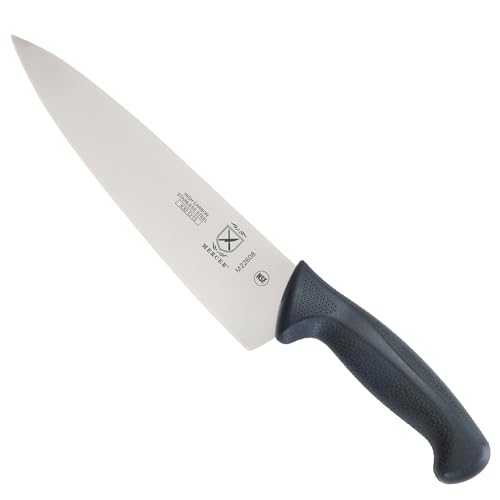
A chef’s knife is the most versatile tool in a kitchen. It is used for chopping vegetables, slicing meat, and mincing herbs. The broad blade allows controlled rocking motions on a cutting board.
A sharp edge supports clean cuts with less pressure. Most home cooks rely on this knife daily. Length usually ranges from eight to ten inches. Balanced weight improves comfort during longer prep sessions.
When maintained properly, a chef’s knife handles many tasks without needing frequent tool changes. It supports beginner and experienced cooks well in home kitchens.
2. Paring Knife

- QUALITY CONSTRUCTION: Knife is crafted with one-piece high-carbon Japanese steel for...
A paring knife is designed for small, precise kitchen tasks. It works best for peeling fruits, trimming vegetables, and removing blemishes. The short blade offers better control when working by hand instead of on a cutting board.
Many cooks use it for detailed work like deveining shrimp or cutting garnishes. Its lightweight feel reduces hand strain. Blade lengths are usually three to four inches.
A paring knife is essential for tasks that require accuracy rather than force, making it a valuable everyday tool in both small and large kitchens.
3. Bread Knife
- ULTRA-SHARP, CUTS EFFORTLESSLY: The Orblue Serrated Bread Knife blade has an...
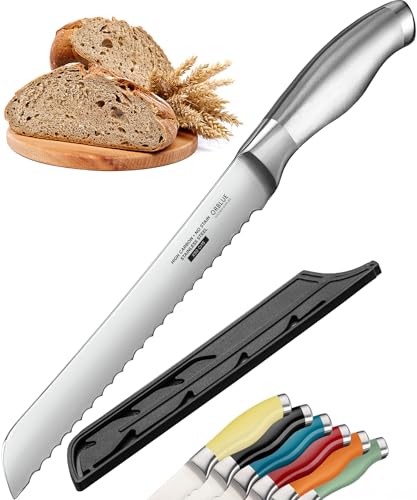
A bread knife is designed with a long, serrated blade that cuts through crusty surfaces easily. It works best for slicing bread without crushing the soft interior.
The serrations grip hard exteriors while maintaining clean cuts. This knife is also useful for cutting cakes, tomatoes, and pastries. Most bread knives measure eight to ten inches.
The blade requires minimal pressure, which improves safety. A bread knife is essential for baked goods and soft foods with tough outer layers, making it a practical addition to any kitchen setup.
Checkout This Kitchen Knife Set (Best Seller):

- 12-PIECES KNIFE SET: This knives set for kitchen includes:8” chef's knife...
4. Cleaver

- ALL-PURPOSE NAKIRI KNIFE: The classic 7 inch kitchen knife is flexible for all kinds...
A cleaver is a large, rectangular knife designed for heavy kitchen tasks. It is commonly used for chopping through bones, breaking down large cuts of meat, and crushing ingredients like garlic.
The wide blade also works for scooping food from the board. Weight provides cutting power with less effort. Many Asian kitchens use it for vegetables as well.
A cleaver requires space and control but delivers strength unmatched by smaller knives. It is best suited for sturdy boards and confident handling during preparation. Proper technique improves safety and efficiency greatly.
5. Boning Knife

- QUALITY CONSTRUCTION: Knife is crafted with one-piece high-carbon Japanese steel for...
A boning knife features a narrow, flexible blade designed for separating meat from bones. It is commonly used for poultry, fish, and red meat preparation. The thin blade allows precise cuts around joints and connective tissue.
Many cooks prefer it when trimming fat or skin. Blade lengths usually range from five to six inches. Control is its main advantage.
A boning knife reduces waste and improves accuracy, making it useful for detailed protein preparation in home kitchens and professional settings alike, where precision matters during careful cutting tasks every time.
6. Santoku Knife

- QUALITY CONSTRUCTION: Knife is crafted with one-piece high-carbon Japanese steel for...
Santoku knife is a popular Japanese-style knife known for versatility. It works well for slicing, dicing, and chopping vegetables, meat, and fish. The blade is shorter and wider than a chef’s knife.
A flat edge supports straight down cuts rather than rocking motions. Many blades feature small indentations that reduce sticking. Typical length is around seven inches.
A Santoku knife offers balance and control, making it comfortable for everyday cooking and suitable for cooks who prefer lighter knives in busy kitchens and compact home prep spaces with ease daily.
7. Serrated Knife
- ULTRA-SHARP, CUTS EFFORTLESSLY: The Orblue Serrated Bread Knife blade has an...
A serrated knife features a blade with small, saw-like teeth designed for cutting foods with firm exteriors and soft interiors. It works well for tomatoes, citrus fruits, and sausages.
The teeth grip surfaces easily, reducing slipping during slicing. This knife requires less downward pressure than straight blades. Blade lengths vary depending on design.
Many cooks use it for delicate foods that crush easily. A serrated knife stays effective longer between sharpening sessions, making it a useful tool for everyday kitchen tasks that require steady control and clean results without damaging soft textures.
8. Mezzaluna Knife

- Make the Cut – Prepping food to cook for your family has never been faster or...
A mezzaluna knife has a curved blade with handles on each side. It is mainly used for chopping herbs, garlic, and leafy greens. The rocking motion allows quick, even cuts with minimal effort. Many cooks prefer it for fine chopping tasks.
It works best on a flat cutting board with steady hand control. Some versions feature double blades for faster work. A mezzaluna knife keeps ingredients uniform in size, making it helpful for sauces, garnishes, and salads where consistency matters during preparation.
9. Fillet Knife

- QUALITY CONSTRUCTION: Knife is crafted with one-piece high-carbon Japanese steel for...
A fillet knife is designed for delicate fish preparation. It has a long, narrow, and flexible blade that follows the natural shape of fish bones. This flexibility allows smooth, precise cuts without tearing flesh.
Cooks use it for skinning, deboning, and portioning fish. Blade lengths usually range from six to nine inches. It offers excellent control during detailed work.
A fillet knife reduces waste and improves presentation, making it valuable for anyone who prepares fish regularly at home or in professional kitchens.
Conclusion
Understanding common kitchen knife types helps improve safety, efficiency, and results while cooking. Each knife is built for a specific purpose, from heavy chopping to delicate slicing. Using the correct blade reduces effort and improves control. A well-chosen knife collection does not need to be large, only practical. Learning how and when to use each knife allows home cooks to work more confidently, prepare ingredients correctly, and enjoy smoother cooking experiences during everyday meal preparation.