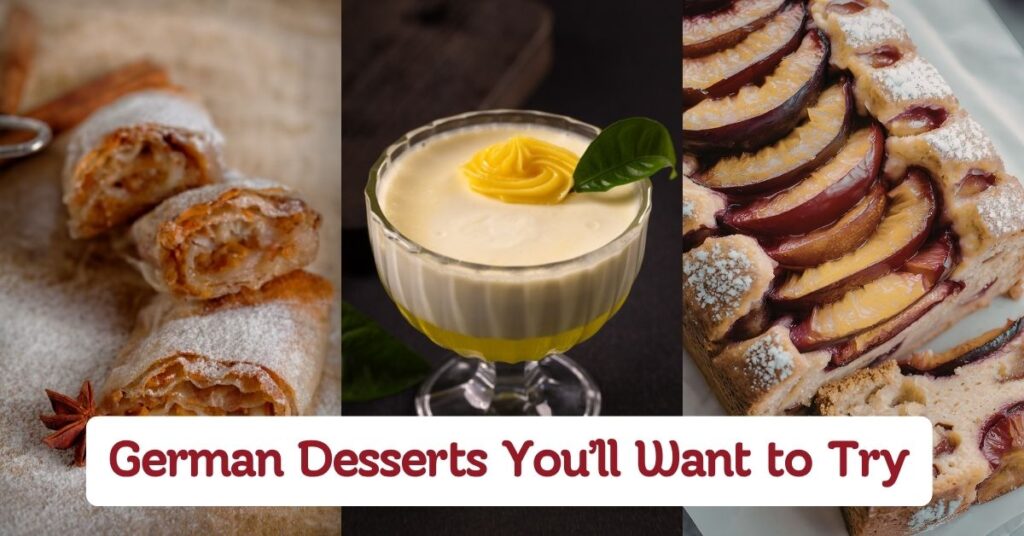
Have you ever wondered what makes German desserts so comforting and full of character? From rich layered cakes to simple pastries enjoyed with coffee, Germany offers a wide range of sweets that reflect both tradition and creativity.
Many of these desserts are rooted in regional specialties, using ingredients like apples, nuts, spices, and cream in thoughtful ways. Some are baked for holidays, while others are everyday favorites found in bakeries across the country.
This list brings together classic recipes along with a few fun treats that highlight different textures and flavors. Whether you enjoy light pastries, dense cakes, or chilled desserts, there is something here to suit every preference.
These desserts are not only delicious but also offer a glimpse into German food culture, making them worth trying at least once in your kitchen.
Table of Contents
Toggle1. Schwarzwälder Kirschtorte (Black Forest Cake)
Schwarzwälder Kirschtorte is one of Germany’s most recognized desserts, known for its rich layers and balanced flavors. It features chocolate sponge cake layered with whipped cream and cherries, often flavored with Kirsch, a cherry brandy.
The combination of soft cake, juicy fruit, and creamy filling creates a pleasing texture in every bite. Chocolate shavings on top add a slight crunch and a decorative finish. Despite its detailed appearance, the flavors remain well-balanced rather than overwhelming.
This cake is commonly served during celebrations and gatherings, making it a true classic that continues to be enjoyed across generations.
2. Bienenstich (Bee Sting Cake)
Bienenstich is a yeast-based cake filled with creamy custard and topped with caramelized almonds. The topping forms a slightly crisp layer that contrasts with the soft base and smooth filling.
The condensed sweetness from the caramel pairs well with the mild dough, creating a dessert that feels balanced. The cake is sliced horizontally to add the filling, giving it a layered look without being overly complex.
It is often served in squares, making it easy to share. Bienenstich is a popular choice in bakeries and works well as a dessert or an afternoon treat with coffee or tea.
3. Käsekuchen (German Cheesecake)
Käsekuchen differs from other cheesecakes because it uses quark, a fresh dairy product, instead of cream cheese. This gives it a lighter texture and a slightly tangy taste.
The filling is smooth and baked over a simple crust, resulting in a clean and balanced dessert. It is not overly sweet, which makes it appealing to those who prefer mild flavors.
Some versions include raisins or a hint of lemon for variation. Käsekuchen is widely enjoyed across Germany and is often made at home, offering a dependable dessert that works well for both casual and special occasions.
4. German Apple Strudel
German Apple Strudel features thin layers of pastry wrapped around a filling of apples, sugar, and spices. The dough is stretched until very thin, creating a delicate outer layer that becomes crisp when baked.
Inside, the apples soften and release their juices, forming a tender and flavorful filling. Raisins and nuts are sometimes added for extra texture. It is often served warm, sometimes with a light sauce or cream.
This dessert highlights simple ingredients while delivering a satisfying combination of textures, making it a favorite in many households and bakeries.
5. Stollen
Stollen is a traditional fruit bread often associated with the holiday season. It is made with a rich dough filled with dried fruits, nuts, and spices, then dusted with powdered sugar.
Some versions include a marzipan center for added flavor. The bread has a dense texture and improves in taste as it rests, allowing the flavors to develop over time.
It is usually sliced and served with tea or coffee. Stollen is a long-standing tradition in Germany and continues to be a seasonal favorite enjoyed by many during festive periods.
6. Baumkuchen
Baumkuchen is a layered cake known for its distinctive ring pattern, which resembles tree rings when sliced. It is made by repeatedly brushing thin layers of batter onto a rotating spit and baking them one at a time.
This method creates a firm yet tender texture with lightly golden edges. The outer layer is often coated with chocolate for added flavor. Each slice shows precise layers, making it visually appealing as well as enjoyable to eat.
Baumkuchen is considered a special dessert, often given as a gift or served during celebrations due to its detailed preparation process.
7. Donauwelle (Danube Wave Cake)
Donauwelle is a sheet cake with layers of vanilla and chocolate batter, topped with cherries. As it bakes, the cherries sink slightly, creating a wave-like pattern inside the cake.
It is finished with a layer of buttercream and a chocolate glaze on top. The combination of soft cake, fruit, and creamy topping gives it a balanced texture.
Each bite offers a mix of flavors without being too heavy. This dessert is popular for gatherings because it can be sliced into neat portions and served easily.
8. Lebkuchen
Lebkuchen are traditional German cookies made with honey, spices, and nuts. Often associated with the holiday season, they come in various shapes and textures, ranging from soft to slightly firm.
Some are glazed, while others are coated in chocolate or sugar icing. The spice blend typically includes cinnamon, cloves, and nutmeg, giving them a warm flavor.
Lebkuchen can be stored for long periods, making them convenient to prepare in advance. They are widely enjoyed during festivals and are a key part of German baking traditions, especially during winter months.
9. Spaghettieis
Spaghettieis is a playful dessert designed to look like a plate of spaghetti. Vanilla ice cream is pressed through a special tool to create thin strands, then topped with strawberry sauce to resemble tomato sauce.
White chocolate or coconut flakes are often added to mimic grated cheese. Despite its appearance, it is a simple ice cream dessert with familiar flavors.
It is especially popular among children and is commonly found in ice cream parlors. This dessert shows how presentation can make a familiar treat feel new and interesting.
10. Krapfen (Berliner)
Krapfen, also known as Berliner, are deep-fried doughnuts filled with jam or cream. They are soft, round, and lightly dusted with powdered sugar. The filling adds sweetness and moisture, making each bite rich yet balanced.
These treats are especially popular during festive occasions, including Carnival celebrations. They are best enjoyed fresh, when the outer layer is slightly crisp and the inside remains soft.
Krapfen are widely available in bakeries across Germany and are a favorite choice for anyone looking for a simple and satisfying sweet snack.
11. Streuselkuchen (German Crumb Cake)
Streuselkuchen is a simple yet satisfying cake topped with a generous layer of buttery crumbs. The base is usually a soft yeast or sponge dough, while the crumb topping adds a slightly crisp texture.
The contrast between the soft cake and the crumb layer makes each bite enjoyable. Some versions include fruit like apples or cherries beneath the topping for added flavor.
It is commonly served in squares and pairs well with coffee. This cake is a staple in German bakeries and homes, valued for its straightforward preparation and comforting taste.
12. Zwetschgenkuchen (German Plum Cake)
Zwetschgenkuchen is a seasonal dessert made with fresh plums arranged neatly over a soft dough base. As it bakes, the fruit softens and releases juices that blend into the cake.
The slightly tart flavor of the plums balances the mild sweetness of the base. A light crumb topping or sugar sprinkle is often added for extra texture.
This cake is typically served in slices and enjoyed during late summer when plums are at their best. It offers a fresh, fruit-forward taste that feels both light and satisfying.
13. Kaiserschmarrn
Kaiserschmarrn is a fluffy shredded pancake that is lightly caramelized during cooking. The batter is cooked until golden, then torn into pieces and dusted with powdered sugar.
It is often served with fruit compote, such as apple or plum, which adds a pleasant contrast. The texture is soft inside with slightly crisp edges.
This dessert is filling and works well as both a sweet main dish and a treat. Kaiserschmarrn is popular in southern Germany and Austria, often enjoyed in cozy settings or as a warm comfort dish.
14. Windbeutel (German Cream Puffs)
Windbeutel are light pastry puffs filled with whipped cream or custard. The outer shell is made from choux pastry, which bakes into a hollow, airy structure. Once filled, they offer a soft and creamy texture with a slight crispness on the outside.
They can be served plain or topped with chocolate sauce or powdered sugar. Windbeutel are often arranged in stacks or served individually.
Their delicate texture and mild sweetness make them a popular dessert choice, especially when you want something that feels light yet satisfying.
15. Franzbrötchen
Franzbrötchen is a sweet pastry from northern Germany, similar in style to a cinnamon roll but flatter and slightly crisp. The dough is layered with butter, sugar, and cinnamon, then folded and baked until golden.
The edges become slightly crisp, while the center remains soft and tender. The caramelized sugar adds a rich flavor without being overwhelming.
Franzbrötchen is often enjoyed as a breakfast pastry or afternoon treat. Its simple ingredients and balanced taste make it a popular choice in bakeries, especially in cities like Hamburg.
16. Milchreis (German Rice Pudding)
Milchreis is a creamy rice pudding cooked slowly in milk until soft and thick. Sugar is added for sweetness, while cinnamon or fruit toppings bring extra flavor.
The texture is smooth and comforting, making it a popular dessert for all ages. It can be served warm for a cozy feel or chilled for a lighter option.
Applesauce or cherries are common additions that pair well with the mild base. Milchreis is often made at home using simple ingredients, offering a dependable dessert that feels familiar and easy to prepare.
17. Rote Grütze
Rote Grütze is a fruit-based dessert made from red berries such as strawberries, raspberries, and cherries. The fruits are cooked with sugar and thickened slightly to create a soft, spoonable texture.
It is usually served chilled and paired with vanilla sauce or cream. The natural tartness of the berries balances the sweetness, resulting in a refreshing taste.
This dessert is especially popular in northern Germany and is often enjoyed during warmer months. Its bright color and simple preparation make it both appealing and easy to serve.
18. Apfelkuchen (German Apple Cake)
Apfelkuchen is a classic apple cake made in many regional styles across Germany. It typically features sliced or diced apples baked into a soft batter or arranged neatly on top.
The apples become tender and slightly caramelized, adding natural sweetness to the cake. Some versions include a light glaze or crumb topping.
The texture is moist and easy to slice, making it suitable for everyday baking. Apfelkuchen is often served with coffee, offering a simple yet satisfying dessert that highlights the flavor of fresh apples.
19. Zimtsterne (German Cinnamon Stars)
Zimtsterne are star-shaped cookies made with ground almonds, sugar, and cinnamon. They have a slightly crisp exterior with a soft, chewy center. A thin layer of icing on top adds sweetness and gives them a distinctive look.
These cookies are especially popular during the holiday season and are often made in batches for sharing. The combination of nuts and spices creates a warm flavor profile. Zimtsterne can be stored for several days, making them a practical choice for festive baking and gifting.
20. Nussecken
Nussecken are triangular pastries made with a shortbread base, a layer of jam, and a topping of chopped nuts. The corners are often dipped in chocolate, adding an extra layer of flavor.
The combination of buttery base, sweet filling, and crunchy topping creates a satisfying mix of textures. These pastries are cut into neat triangles, making them easy to serve.
Nussecken are commonly found in bakeries and are enjoyed as a snack or dessert. Their balanced flavor makes them a reliable choice for a variety of occasions.
21. Dampfnudeln mit Vanillesauce
Dampfnudeln are soft yeast dumplings cooked until fluffy and served with a warm vanilla sauce. The base is lightly sweet, while the sauce adds a creamy finish. Some versions develop a golden crust at the bottom during cooking, giving a slight contrast in texture.
These dumplings are filling and often enjoyed as a dessert or even a main dish. The combination of soft dough and smooth sauce makes each bite comforting and satisfying.
Dampfnudeln are especially popular in southern Germany and are often prepared fresh for the best texture.
22. Kalter Hund (No-Bake Biscuit Cake)
Kalter Hund is a layered dessert made with biscuits and a chocolate mixture that sets firmly when chilled. The biscuits soften slightly as they absorb moisture, creating a cake-like texture without baking.
The layers are arranged in a loaf tin, then sliced to reveal a striped pattern inside. Condensed milk or coconut fat is often used in the chocolate mixture for a smooth consistency.
This dessert is easy to assemble and requires minimal effort. It is commonly served at gatherings and is a favorite for those who enjoy simple, no-bake treats.
23. Haselnussmakronen (Hazelnut Macaroons)
Haselnussmakronen are small cookies made with ground hazelnuts, sugar, and egg whites. They have a slightly crisp exterior and a soft, chewy center. A whole hazelnut is often placed on top before baking for decoration and added texture.
These cookies are simple to prepare and require only a few ingredients. They are especially popular during the holiday season and can be made in large batches.
Their nutty flavor and light texture make them a pleasant addition to any dessert table, offering a balanced sweetness without being too rich.
24. Dominosteine
Dominosteine are layered bite-sized treats consisting of gingerbread, fruit jelly, and marzipan, all coated in chocolate. Each layer adds a different texture, from soft to slightly firm.
The chocolate coating brings everything together and adds a smooth finish. These sweets are commonly available during the holiday season and are often sold in small boxes.
Their compact size makes them easy to serve and share. Dominosteine offer a mix of flavors in a single bite, making them an interesting and enjoyable treat for those who like variety in desserts.
25. Pfeffernüsse Cookies
Pfeffernüsse are small spiced cookies known for their bold flavor. Made with ingredients like cinnamon, cloves, and pepper, they offer a distinct taste that sets them apart from other cookies.
They are often coated in powdered sugar or glaze, adding a touch of sweetness. The texture can range from slightly firm to soft, depending on the recipe.
These cookies are especially popular during the holiday season and are often stored for days to allow the flavors to develop. Pfeffernüsse are a traditional treat with a strong identity in German baking.
26. Schneeballen
Schneeballen are deep-fried pastries made from strips of dough shaped into a ball and dusted with powdered sugar. The exterior is crisp, while the inside remains slightly tender.
Some versions are coated with chocolate or other toppings for added flavor. These pastries have a distinctive appearance and are often sold at markets and festivals.
Schneeballen can be stored for a few days, making them convenient for sharing. Their unique shape and texture make them stand out among traditional desserts, offering something different from typical cakes and cookies.
27. Apfelküchle (Apple Fritters)
Apfelküchle are apple slices dipped in batter and fried until golden. The outside becomes crisp, while the apple inside turns soft and juicy. They are usually dusted with powdered sugar and sometimes served with a sauce or cream.
The combination of warm fruit and light batter creates a balanced dessert that is both simple and satisfying. Apfelküchle are often prepared fresh and enjoyed warm for the best texture.
They are a popular choice at fairs and in home kitchens, offering a straightforward way to enjoy apples in dessert form.
Conclusion
German desserts offer a wide variety of textures and flavors, from fruit-based dishes to rich cakes and pastries. Each recipe reflects tradition while remaining practical for modern kitchens. Whether baked, fried, or chilled, these desserts provide something for every taste. Trying them at home is a great way to explore new flavors and enjoy simple, satisfying treats.